
A friend of mine got promoted last year, a genuine step up, more responsibility, a proper pay bump, the kind of news you call your parents about. Eight months later she sat across from me, visibly stressed, saying something that stuck with me: “I earn more than I ever have in my life, and somehow I feel more broke than when I was starting out.” Nothing dramatic had happened. No emergency, no crisis, no single bad decision she could point to. Just a slow accumulation of small, reasonable upgrades that had quietly swallowed every extra pound her promotion brought in.

That’s the strange thing about lifestyle creep. It doesn’t arrive as a dramatic financial event you can identify and correct. It arrives disguised as good sense. A nicer flat because you can finally afford the deposit. A better car because the old one felt beneath your new job title. More takeout because you’re working longer hours and deserve the convenience. Each choice, on its own, sounds completely fine. Stack a dozen of them together over a year, though, and you end up exactly where my friend did: earning considerably more, and somehow no closer to actual financial security than before.
This pattern is worth naming clearly, because it’s affecting a huge number of people across the US and UK right now, particularly those who’ve seen genuine income growth over the past few years without a matching increase in savings or investments. The paycheck went up. The bank balance didn’t follow. That gap has a name, and once you understand how it operates, it becomes far easier to catch before it quietly reshapes your entire financial life.
This article breaks down exactly what lifestyle creep is, why even careful, sensible people fall into it, and offers genuinely practical ways to save money daily without turning your life into a spreadsheet of deprivation. The goal isn’t to spend less joy. It’s to make sure the money you earn actually builds something lasting, instead of just raising the baseline of what feels normal every time your income grows.
Table of Contents
- What Is Lifestyle Creep, and Why It’s Different From Overspending
- How Lifestyle Creep Sneaks Past Even Careful People
- What It Actually Costs You Over Time
- Signs Lifestyle Creep Has Already Taken Hold
- Why Our Brains Are Wired to Chase the Next Upgrade
- Ways to Save Money Daily That Don’t Feel Like Sacrifice
- Setting Up Guardrails So Creep Can’t Happen Quietly
- Handling a Raise or Bonus Without Losing It to Creep
- How Lifestyle Creep Shifts Across Different Life Stages
- Not Every Upgrade Is the Enemy
- Conclusion: Make Every Raise Count for Something
- FAQ: Common Questions About Lifestyle Creep
What Is Lifestyle Creep, and Why It’s Different From Overspending
Lifestyle creep, also called lifestyle inflation, describes the gradual tendency for your spending to rise in step with your income, until the extra money you earn quietly disappears into everyday upgrades instead of savings or genuine financial progress. It’s worth distinguishing this from ordinary overspending, because the two feel very different from the inside. Overspending usually involves a specific, identifiable decision you can look back on and recognize. Lifestyle creep involves dozens of small, individually defensible decisions that only reveal their true cost once you zoom out and look at the pattern as a whole.
The defining trait of lifestyle creep is that it happens gradually enough to escape notice. Nobody consciously decides to absorb their entire raise into slightly nicer everyday habits. Instead, the grocery cart quietly shifts toward pricier brands, the commute defaults to rideshares instead of the bus “just this once,” which becomes most days, and weekend plans stop being about what sounds fun and start being about what sounds impressive. None of it registers as a financial decision in real time. It just feels like life getting a little nicer, which is exactly why it’s so easy to miss until the damage has already compounded.
How Lifestyle Creep Sneaks Past Even Careful People
What makes lifestyle creep so effective is that it hides behind entirely legitimate reasoning. A bigger apartment feels justified because you’re earning more and deserve better space. A newer car feels justified because reliability genuinely matters for getting to work. More restaurant meals feel justified because you’re busier than you used to be. Every explanation holds up individually, and that’s precisely the trap: lifestyle creep never announces itself as financial carelessness. It shows up dressed as reasonable, well-earned progress, one small decision at a time, until the cumulative effect has quietly erased whatever financial gain your higher income should have delivered.
Social comparison accelerates this considerably. As income rises, social circles often shift too, sometimes toward people with similarly comfortable finances, whose everyday spending starts to feel like the new normal you’re unconsciously measuring yourself against. What once felt like an occasional treat starts to feel like a baseline expectation, purely because it’s what the people around you are doing, and that shifting baseline is often completely invisible unless you deliberately stop to examine it.
What It Actually Costs You Over Time
The numbers behind lifestyle creep are worth sitting with, because they’re more significant than they first appear. Picture two people starting at identical salaries. One lets spending rise with every raise over the following decade. The other keeps spending relatively steady and redirects most of each raise toward savings and investing instead. Even a modest difference, a few hundred dollars or pounds a month redirected rather than absorbed, compounds into a genuinely substantial gap in long-term wealth once investment growth is factored in over ten or fifteen years.
There’s an emotional cost that compounds alongside the financial one. People experiencing lifestyle creep frequently describe feeling just as financially stretched as they did years earlier, despite earning considerably more, because their spending baseline rose in lockstep with their income. The raise that was supposed to create breathing room ends up creating none at all, simply because “normal” spending quietly expanded to match it before anyone consciously decided that should happen.
Signs Lifestyle Creep Has Already Taken Hold
Spotting lifestyle creep requires an honest look at how your spending has shifted relative to your income over time, rather than examining any single month in isolation. Pull up your spending from a year or two back and set it beside your spending now. If your income has grown noticeably but your savings rate hasn’t grown with it, that gap is where lifestyle creep is quietly operating.
Pay close attention to recurring costs that have crept upward without any deliberate decision behind them. Subscriptions you signed up for on a whim and never revisited. A grocery bill that’s climbed steadily even though nothing about your household has changed. A habit of automatically reaching for the pricier option, not because you compared it against alternatives and decided it was worth the difference, but simply because it’s become your default. These small, cumulative shifts are almost always where lifestyle creep hides most effectively, precisely because none of them feel significant enough on their own to question.
Why Our Brains Are Wired to Chase the Next Upgrade
Understanding the psychology behind lifestyle creep makes it considerably easier to resist. Humans adapt to improved circumstances remarkably fast, a pattern psychologists call hedonic adaptation, where the excitement of any upgrade fades far quicker than expected, leaving you quietly searching for the next improvement to recreate that same sense of progress. A nicer car feels genuinely exciting for a few weeks, then simply becomes your unremarkable daily reality, resetting your internal baseline upward in the process without you noticing.
There’s also a status signaling element woven into much of this. Visible upgrades, a nicer car, a bigger home, trendier clothes, can feel like tangible proof of your own success, even when they come directly at the expense of your actual long-term financial position. And for a lot of people, spending increases function as an emotional reward for hard work, a way of telling yourself “I’ve earned this” after a demanding stretch, even when that reward quietly works against the very security that hard work was originally meant to build.
Ways to Save Money Daily That Don’t Feel Like Sacrifice
Countering lifestyle creep doesn’t require dramatic austerity, and treating it that way is usually why restrictive budgets collapse within weeks. Small, consistent daily adjustments tend to outperform occasional extreme cutbacks by a wide margin. Cooking at home just two or three extra times a week, rather than eliminating dining out entirely, can meaningfully reduce spending without making daily life feel joyless.
Reviewing your recurring subscriptions every few months and cutting anything you’re genuinely not using regularly is one of the simplest ways to save money daily with almost no noticeable change to your actual lifestyle, since most people are quietly paying for services they’ve completely forgotten they still have. Choosing generic or store-brand versions of routine purchases, rather than defaulting to premium brands purely out of habit, adds up to real monthly savings with barely a perceptible difference day to day.
Giving yourself a short waiting period, twenty-four to forty-eight hours, before non-essential purchases above a certain amount, lets the initial impulse fade, and it’s genuinely surprising how often that brief pause reveals the purchase wasn’t necessary after all. Automating a fixed percentage of every paycheck straight into savings before it ever touches your checking account removes the temptation to let that money quietly blend into everyday spending. Even something as small as packing lunch a couple of days a week instead of buying it daily chips away steadily at one of the most overlooked, easily normalized sources of daily lifestyle creep, particularly for anyone working around convenient food options all day.

Setting Up Guardrails So Creep Can’t Happen Quietly
Beyond individual daily habits, building an actual system protects you from lifestyle creep far more reliably than willpower, which tends to fade exactly when you’re tired or stressed. Setting automatic transfers into savings and investment accounts the moment your paycheck lands ensures that money is protected before you’ve had a chance to mentally reassign it toward everyday spending.
Deciding in advance how you’ll handle future raises, committing to a fixed percentage going straight to savings before any of it touches your regular spending, removes the in-the-moment temptation to simply absorb the entire increase into upgraded habits. Reviewing your spending against your income on a regular schedule, quarterly works well for most people, helps you catch creeping costs early, well before they’ve had years to quietly become your accepted financial baseline.
Handling a Raise or Bonus Without Losing It to Creep
Raises and bonuses are where lifestyle creep tends to hit hardest, precisely because that sudden extra money feels specifically earmarked for something new. A genuinely effective approach involves deciding in advance, before the money even lands, exactly what percentage goes toward savings or debt repayment versus what you’ll allow yourself to spend freely on something you’ve genuinely chosen.
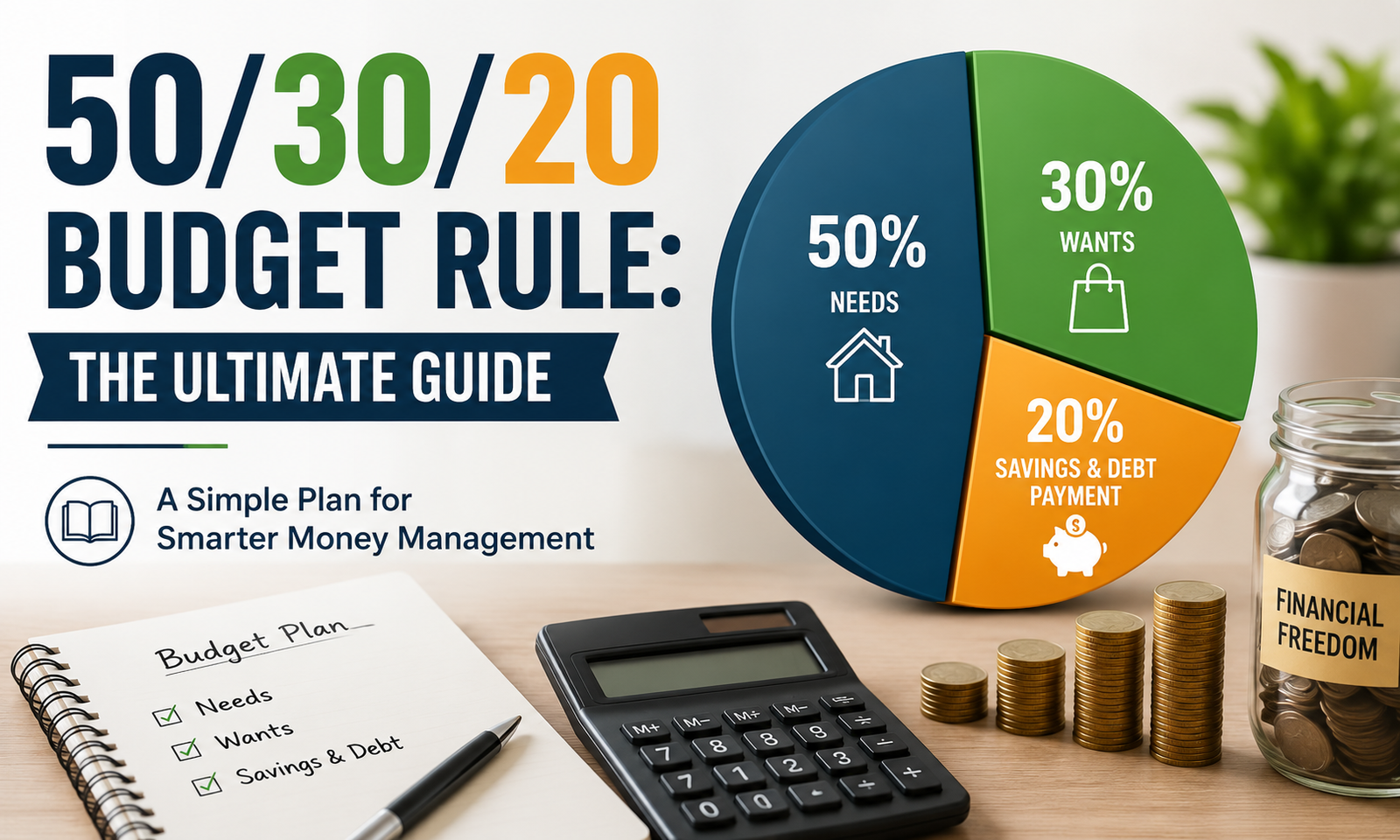
A reasonable starting point involves directing at least half of any raise or bonus toward savings, investing, or extra debt repayment, while letting the rest be enjoyed without guilt, since denying yourself any reward at all tends to backfire and lead to resentment or eventual overspending elsewhere anyway. The real distinction is intentionality. A deliberate, planned upgrade you’ve genuinely weighed and decided is worth it looks completely different, both financially and psychologically, from a string of small, unexamined spending increases that quietly absorb your entire raise without you ever consciously choosing that outcome.
How Lifestyle Creep Shifts Across Different Life Stages
Lifestyle creep tends to show up differently depending on where you are in life, and recognizing your own pattern makes it considerably easier to address. Early career professionals often hit their first real wave of lifestyle creep the moment they leave a tight student budget behind, suddenly discovering disposable income and quickly normalizing spending that outpaces their still relatively modest salary growth.
People in their thirties and forties frequently experience lifestyle creep tied closely to family milestones, a larger home, a second car, school-related costs, where genuine needs and lifestyle upgrades can become genuinely hard to tell apart, making honest self-examination especially important during this stretch. Those approaching retirement sometimes discover an entirely different version, where years of gradually accumulated lifestyle creep only become fully visible once they calculate whether their actual savings can realistically support the spending habits they’ve normalized over decades, often revealing a considerably wider gap than they anticipated.
Not Every Upgrade Is the Enemy
It’s worth being fair here: not every spending increase tied to a higher income counts as harmful lifestyle creep. Genuine, deliberate upgrades that meaningfully improve your health, quality of life, or long-term goals, chosen consciously rather than absorbed by default, can be entirely reasonable and worthwhile. The real distinction sits in intentionality, not in the dollar amount involved. A thoughtfully chosen upgrade you’ve genuinely weighed against your other financial priorities is fundamentally different from a spending increase you never actually sat down and decided on, one that simply happened gradually because it felt like the natural thing to do as your paycheck grew.
FAQ
1. What exactly is lifestyle creep? Lifestyle creep is the gradual tendency for spending to rise alongside income, until the extra money earned gets absorbed into everyday upgrades instead of savings or meaningful financial progress, usually without a conscious decision behind it.
2. How can I tell if lifestyle creep is affecting me? Compare your current savings rate against your savings rate from a year or two ago. If your income has grown but your savings rate hasn’t kept pace, that gap is a strong indicator lifestyle creep is quietly absorbing your extra income.
3. Is lifestyle creep always harmful? Not necessarily. Deliberate, genuinely valued upgrades you’ve consciously chosen differ from unconscious spending increases that simply happen because income rose. The real problem is the lack of intentionality, not increased spending itself.
4. What are simple ways to save money daily? Cooking a few extra meals at home each week, reviewing and canceling unused subscriptions, defaulting to generic brands for routine purchases, and pausing before non-essential purchases are among the easiest, least disruptive habits for meaningful daily savings.
5. Should I spend any of a raise or bonus on myself? Yes, denying yourself any reward entirely tends to backfire. A balanced approach, directing a solid portion toward savings while still allowing genuine, guilt-free enjoyment of part of the increase, tends to be far more sustainable long term.
6. Why does lifestyle creep catch even careful, disciplined people off guard? Because it develops gradually through individually reasonable decisions rather than one obvious overspending moment, making it genuinely hard to notice without deliberately comparing spending and income over an extended period.
7. Does lifestyle creep look the same in the US and UK? The underlying psychological pattern is universal, though specific pressures, like regional housing costs or local social spending norms, can shape exactly where lifestyle creep tends to show up most in each country.
8. What’s the most effective way to prevent lifestyle creep after a raise? Deciding in advance what percentage of any raise will automatically go toward savings before it reaches your everyday spending account tends to work far better than relying on willpower once the money has already arrived.
9. Can lifestyle creep really affect retirement savings? Yes, considerably. Money absorbed into gradually rising everyday spending is money that isn’t compounding in a retirement or investment account, and over ten or twenty years, that gap can represent a genuinely major difference in long-term financial security.
10. Can lifestyle creep be reversed once it’s already set in? Yes, by honestly reviewing current spending against income, identifying which increases were genuinely deliberate versus which simply happened by default, and gradually redirecting the unintentional ones back toward savings and longer-term goals.